
Mike Bacsik
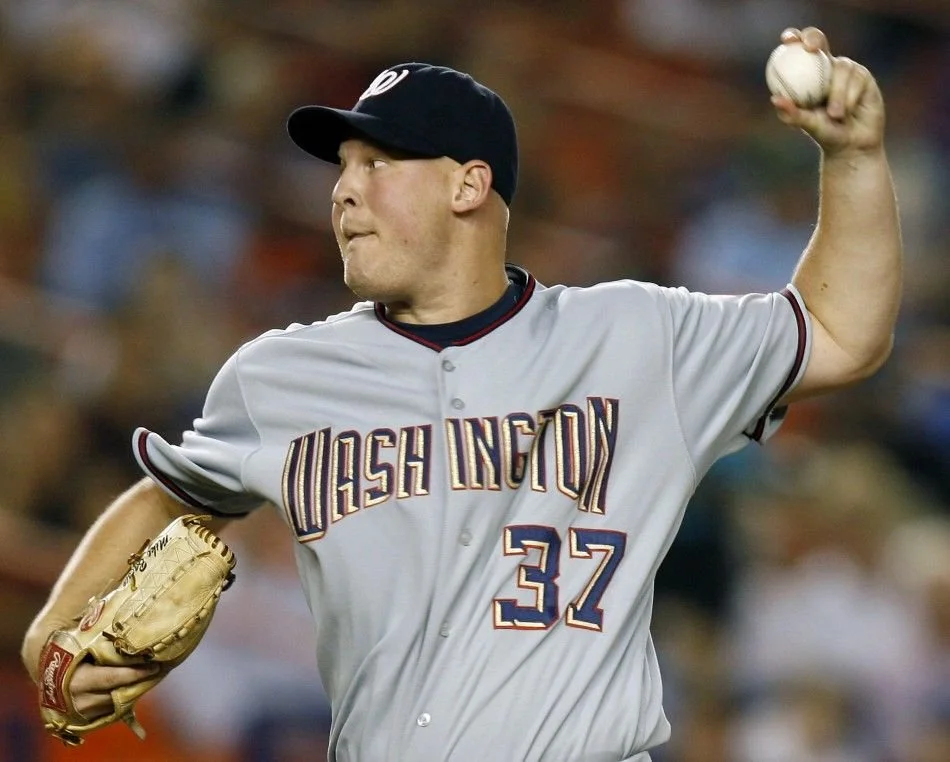
One of the things I’ve always been fascinated by in baseball is the strange way history finds people. Sometimes you’re the hero. Sometimes you’re the guy on the mound when history happens. So when I sat down with Mike Bacsik, I wanted to know what that actually feels like. Not the headline version—the real version. What’s it like standing on the mound when the entire ballpark knows something historic might happen? What’s it like sitting in the dugout while a record celebration unfolds around you? Bacsik was the pitcher when Barry Bonds hit home run No. 756. But his story isn’t about that one pitch. It’s about what comes after.
First of all, I’ve told you this before—I have a ton of respect for anyone who spends even one day in the big leagues. People don’t realize how hard it is. From your perspective as someone who actually did it, how hard is it to reach the major leagues?
It’s incredibly hard. When I was drafted there were around fifty rounds. If a team drafted fifty players and five of them eventually made the majors—even if they didn’t have long careers—that was considered a successful draft. That’s basically a ten-percent success rate. Even some of the top picks never make it. So when someone reaches the major leagues, even briefly, they’ve already beaten incredible odds.
You’re also one of those players tied to one of baseball’s biggest moments—the home run Barry Bonds hit to break Hank Aaron’s record. When you look back now, what’s it like being attached to that moment?
Some days I don’t want to talk about it. But other days I realize it keeps me connected to the game. In a strange way it helped lead to my media career because suddenly people wanted interviews.
At the time it felt terrible. I remember sitting in the dugout during the ceremony thinking, “I can’t believe I made a mistake in this moment.” And then I still had to go back out and finish the inning. Later that night I actually went over to the Giants’ clubhouse to congratulate Barry. He thanked me for pitching to him aggressively.
The strange part was standing there with Willie Mays, Frank Robinson, Omar Vizquel—some of the greatest players in baseball history—all in the same room. It was surreal.
Can you walk us through the rest of that night? You throw the pitch, the ball leaves the yard—what happens next?
As soon as he hit it, I knew. Against a hitter like that you feel it immediately. The game stopped and everyone left the field for the ceremony. We were in the dugout for about ten minutes while they celebrated the record. Hank Aaron appeared on the big screen.
Sitting there was depressing. As a kid who grew up loving baseball, suddenly you’re thinking about all those famous home runs in history—Joe Carter, Kirk Gibson, moments like that—and realizing you’re now part of one too, but on the wrong side of it.
Eventually I finished the inning, got pulled from the game, and then the Nationals sent me to the press room. I’d never done that before. Usually interviews happen in the clubhouse, but this time it was a full press conference because media from around the world were there.
When I sat down I tried to break the tension. I told the reporters, “I always dreamed of this moment—I just thought I’d be the one hitting the home run.” That got a laugh and loosened things up a little.
What was the vibe in the ballpark that night?
It was unbelievable. Before Bonds even stepped in the box, the energy was like a playoff game. Every pitch had flashes going off because fans brought cameras. When I got to a full count, I remember actually getting booed because people thought I was trying to walk him.
The entire stadium felt electric. Honestly, the only time I ever felt a louder environment on the mound was the final game of the 2007 season in Philadelphia when the Phillies were completing their comeback against the Mets. That place was absolutely insane.
But San Francisco that night was close. It felt like the entire baseball world was watching that moment happen in real time.
One thing that stands out about you is how gracious you are about the whole thing. A lot of players wouldn’t want to talk about it, but you’re very open. Why?
I give a lot of credit to my parents, my grandparents, and my coaches growing up. They taught me how to treat people.
I love baseball. This moment is part of the game’s history, and in a strange way I’m part of that history too. So I don’t mind talking about it, as long as people are respectful.
Also, I believe that sometimes things that seem really bad in the moment might lead somewhere good later. Giving up that home run felt awful at the time. But it also opened doors for me in broadcasting and media that I never expected.
What do your kids think about being connected to such a famous baseball moment?
It’s funny now that they’re older. One of my sons had another kid at school say, “Your dad gave up the home run to Barry Bonds,” trying to trash-talk him.
But my dad told me something before that game that stuck with me. He said, “If you get Barry Bonds out, nobody will remember—but I’ll remember.”
That helped me go after him instead of pitching around him. I didn’t succeed that night, but I was proud that I challenged him.
NOTE: The above was edited for clarity and length.
You can read the full transcript here.