
David Murphy
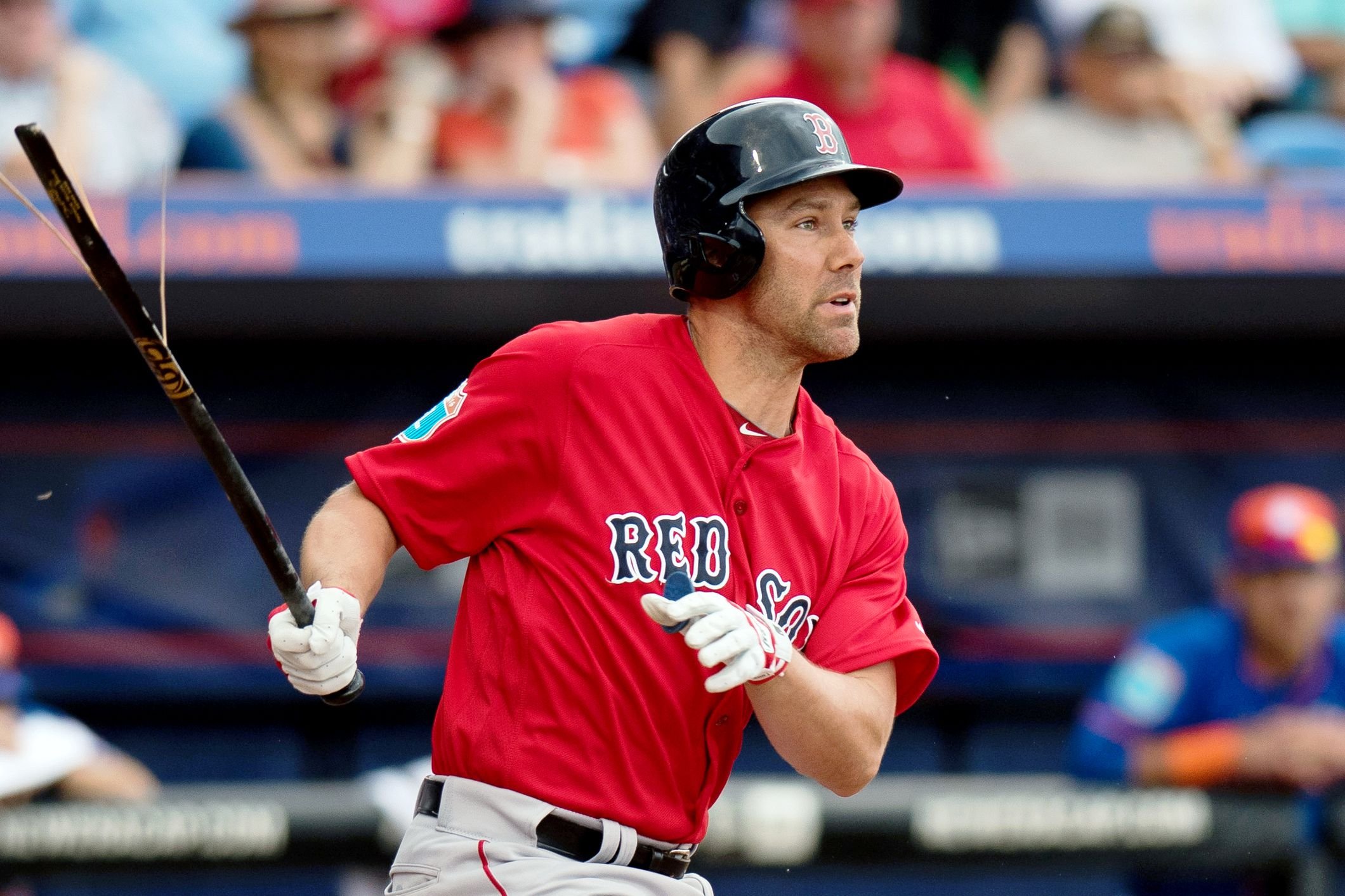
One of my favorite questions to ask players is simple: What did it feel like the first time you walked into Fenway Park? Not the first time you played there—just the first time you walked through that tunnel and saw the Green Monster with your own eyes. When I asked David Murphy about his debut with the Boston Red Sox, he didn’t start with stats or lineup cards. He started with the smell of Fenway, the tight corridors, and the moment the field suddenly opens up in front of you. It’s the kind of story that reminds you Fenway isn’t just a ballpark—it’s one of baseball’s great stages.
Murphy, I want to talk mainly about Fenway Park. You made your major league debut there as a member of the Boston Red Sox. When you were drafted 17th overall, what was your reaction knowing you might someday play at a historic ballpark like Fenway?
I don’t think I realized how historic Fenway was until I got drafted. Growing up in Texas, it’s a football state. I knew about the Red Sox, but I didn’t really understand the depth of the Red Sox-Yankees rivalry or the history of that franchise.
It didn’t take long to realize how serious the fan base was. Even in my first week in short-season ball, I had fans comparing me to Ted Williams. I remember thinking, let’s pump the brakes a little bit.
I had a glimpse of that culture when I played in the Cape Cod League. We would go into elementary schools to read books to kids. We’d ask them questions like, “How many years has it been since the Red Sox won the World Series?” Every kid knew the answer. They knew Red Sox history and trivia. That’s when it clicked for me that baseball there isn’t just a sport—it’s something families pass down.
What do you remember about the moment you got the call to the big leagues and knowing your debut would come at Fenway?
I was in Triple-A in Pawtucket. I was having a good year and kind of expecting the call with September roster expansion coming.
I waited around the clubhouse all day and didn’t hear anything, so I finally told my wife, “Let’s just get in the car.” We were probably ten minutes down the highway heading home when the phone rang.
It was my manager. He said, “Congrats, you’re going to the big leagues. Come get your stuff—you’re going to Boston tomorrow.”
The next day we drove the 45 minutes from Pawtucket to Fenway.
Walking into Fenway is a really unique experience. Fenway has a smell that I can’t really describe. It’s kind of an old, musty ballpark smell—but because it’s tied to all those memories and that history, it’s actually a great smell. When you walk through those hallways you immediately feel the history of the franchise and all the players who came before you.
What stands out to you about that first experience inside the park?
When I first signed after the draft, the Red Sox flew me up to Boston. That was the first time I got to go inside the Green Monster.
They let us sign the wall with hundreds of autographs from players who had gone before us. That was surreal. You're standing there realizing how many incredible players have been part of this franchise.
What was it like when you finally made your debut?
I made my first start on September 2nd. I singled in my first at-bat.
It wasn’t a great game for the team—A.J. Burnett threw really well and we lost. It was gloomy and overcast that day. But getting that first hit and feeling like you contributed in a major league game—that’s when it finally hits you that you’ve arrived.
Even if something had happened and I never played another big league game, I could say I got a hit in the big leagues.
Tell me about your first major league home run.
My first homer came in the old Yankee Stadium.
I was leading off against Jaret Wright. He got me to two strikes and threw a fastball in. I kind of got jammed a little bit, but I knew about the short porch in right field and took advantage of it.
The ball landed a few rows deep.
I remember thinking how cool it was that my first homer came leading off a game for the Red Sox in Yankee Stadium.
But the funniest part was when I came around home plate. David Ortiz had his arms wide open waiting to celebrate with me—and I ran right past him. Completely missed him.
We laughed about that later.
What would you tell a fan who has never been to Fenway Park?
It’s just a really neat, intimate baseball atmosphere.
If you’re a true baseball fan and you’ve felt the energy of different ballparks, Fenway is as good as—or the best—in baseball.
The fans always know what’s going on. They’re not fair-weather fans. Whether the team is good or bad, they stay locked in.
It’s an old-school ballpark. If you’re tall like me, your knees are going to be jammed into the seat in front of you. But that’s part of the charm.
The park opened the same week the Titanic sailed. When you walk through the tunnels and suddenly see the Green Monster in person, that first wide-open view of the field is one of those great baseball moments.
It’s tight, the corridors are narrow, and it’s not always comfortable—but if you’re a baseball fan, it’s an incredible experience.
What did you love about the ballparks you called home during your career?
In Texas, I loved the architecture of the ballpark and the jet stream to right-center. Once I figured out how to pull the ball, that wind helped carry it.
In Cleveland, I loved the batter’s eye in center field and the big wall in left field. The fans there were blue-collar and tough—they knew baseball and weren’t afraid to let you know what they thought.
And in Anaheim, the field itself was amazing. The grass felt like walking on a golf fairway. Every time you stepped onto it, it just felt good to be there.
NOTE: The above was edited for clarity and length.
You can read the full transcript here.