
Matt Vasgersian
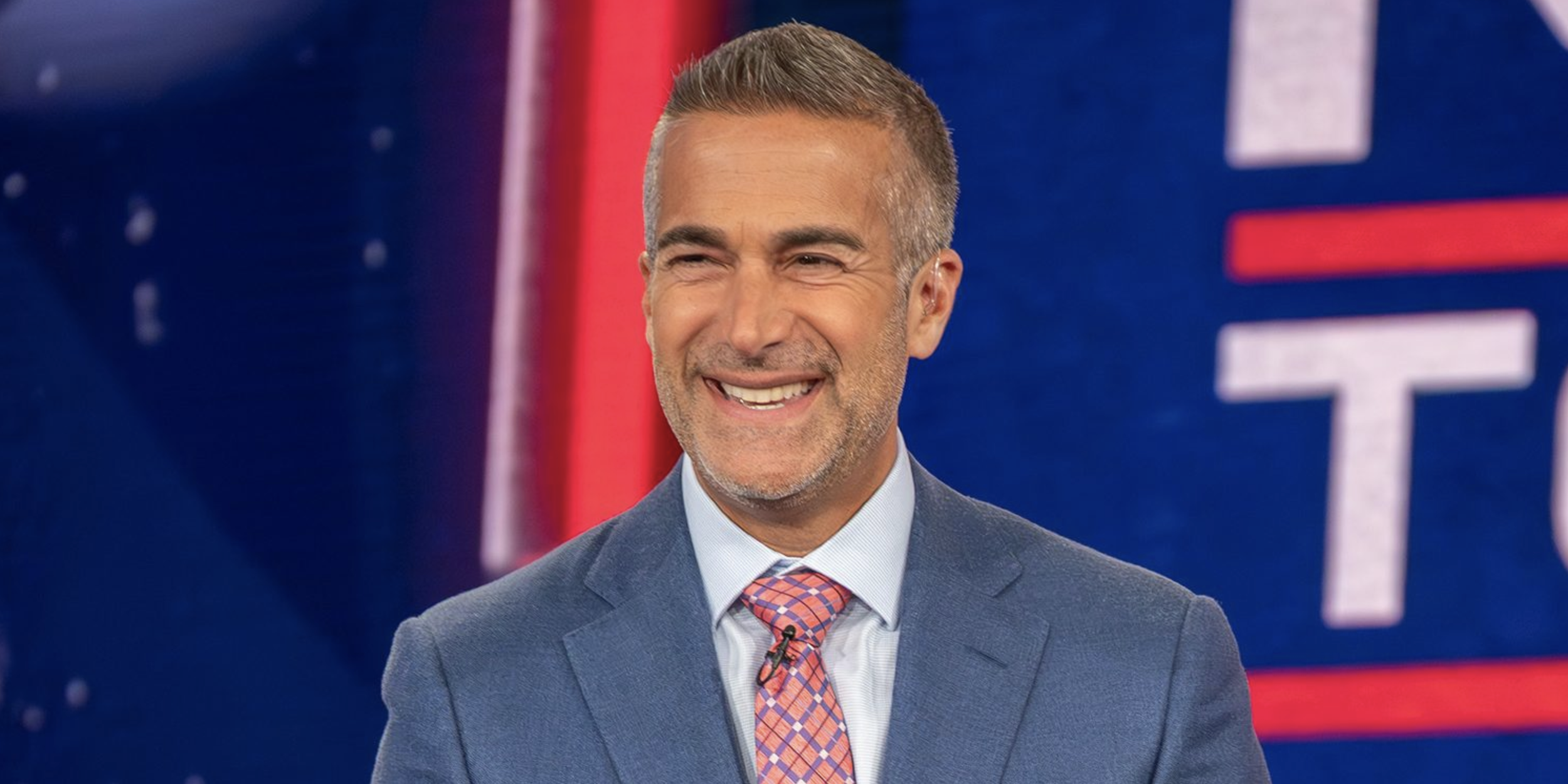
Whenever I sit down with someone for this project, I eventually find myself asking some version of the same question: What is it about a baseball park that keeps pulling us back? Not the scoreboards or the luxury suites, but the feeling. The memories. The people we shared it with. Matt Vasgersian answered those questions better than I expected. He talked about fathers introducing sons to the game, communities finding themselves inside a stadium, and old ballparks becoming part of our personal history. Listening to him reminded me that baseball isn't merely inherited—it is experienced, together, one ballpark at a time.
Matty, after all these years in baseball, how do you put into words the feeling of walking into a Major League ballpark?
When I was a kid, there wasn't any separation between the Oakland A's and the Oakland Coliseum. They were one and the same. I loved the team, so I loved the ballpark. Back then it wasn't viewed as outdated or worn down. It was simply where baseball lived. Now, after decades working throughout the game, I appreciate ballparks even more. They're unlike any other venue in professional sports because they somehow combine warmth and intimacy with majesty and awe. You don't experience that in football, basketball, or hockey. Baseball parks invite you in. They make you feel part of something much larger than yourself.
I've always believed baseball connects families in a way no other sport does. Why do you think that is?
Baseball has depth that no other North American sport can match because its history stretches across generations. Fathers pass it to sons and daughters, grandparents pass it to grandchildren, and those shared memories become part of family history. Even outside your family, baseball becomes common ground. You may have nothing else in common with someone, but if you both love the Red Sox or the Cubs, you've already started a conversation. I always think of the line, "We'll always have Paris." For baseball fans, it's, "We'll always have baseball." We'll always have our team. Those connections last a lifetime because they weren't built yesterday—they've been passed down for generations.
What first pulled you into the game?
My father. He was a lifelong Red Sox fan from Boston, and he introduced me to baseball. Some of my earliest memories are walking into the Coliseum with him. I still have photographs he took during the A's inaugural season in Oakland in 1968. Then I started playing Little League, and growing up during the dynasty years, all I knew was winning baseball. Between my father's love for the game, those afternoons at the Coliseum, and playing baseball myself, I was hooked forever.
The Coliseum was a lovable dump. What made it special?
I'll always remember the Coliseum before Mount Davis changed everything. You could see the Oakland Hills, the BART trains, the church overlooking the stadium. It had character. Then the football renovations blocked all of that. But when the A's were winning during the La Russa years and the Bash Brothers era, there wasn't a better atmosphere in the American League. That's the Coliseum I choose to remember—not the stories about plumbing problems and raccoons years later. The place deserves better than that.
When you someday look back on your own career, what stays with you most?
Honestly, just gratitude. Somehow I turned my favorite hobby into my profession, and that hasn't diminished my love for baseball—it has deepened it. Every person I've met, every story I've heard, every city I've visited has made me appreciate the game's history even more. There are always broadcasts I'd like to improve or decisions I'd make differently, but when I step back and think about it, I realize just how fortunate I've been to spend my life around baseball.
You've seen so many stadiums, both old and new. Which ones stay with you?
The ballparks we've lost are the ones I cherish most. Candlestick Park. Tiger Stadium. Milwaukee County Stadium. One of the greatest experiences of my career was hosting the television coverage of County Stadium's final game. It happened to fall on my birthday, but I didn't tell a soul because the day wasn't about me—it was about saying goodbye to that ballpark. Watching the legends return, celebrating generations of Brewers history, I remember thinking years later that it was every bit as meaningful as it felt in the moment. Some experiences never fade.
What did Miller Park mean to Milwaukee?
It meant security. It meant civic pride. It meant believing the Brewers belonged. Beyond the retractable roof and modern amenities, it represented a community choosing to invest in itself. After years of uncertainty about whether the Brewers might leave, the new ballpark gave people confidence again. It became a source of pride—not just for fans, but for everyone who worked there. That's what great ballparks do. They become part of a city's identity, and that's exactly what Oakland ultimately lost.
If someone wanted to experience baseball by visiting every ballpark, what would you tell them?
I'd actually tell them to start with the newest stadiums and work backwards until they reach Fenway and Wrigley. That way you appreciate the evolution of the game and understand just how remarkable those historic parks really are. People like Janet Marie Smith changed baseball forever by showing that ballparks could celebrate history instead of replacing it. Camden Yards launched an entirely new era, and its influence can still be seen across baseball today. Great ballparks don't simply host games—they tell the story of the cities that built them.
NOTE: The above was edited for clarity and length.
You can read the full transcript here.