
Bengie Molina
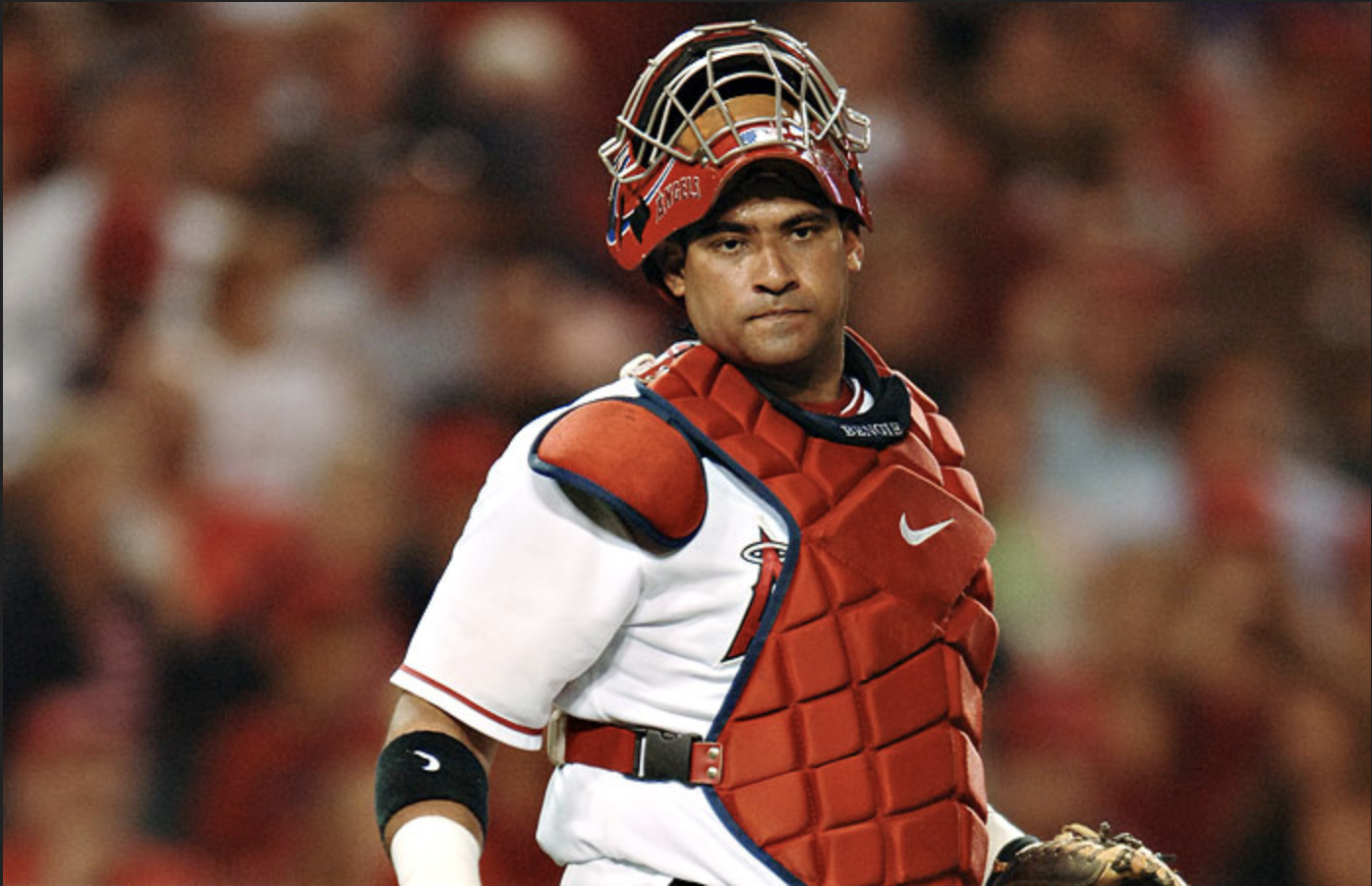
One of my favorite questions to ask isn't about home runs or championships. It's about what a ballpark means to the people who fill it. Bengie Molina answered that by taking me somewhere I never expected—to a neighborhood street in Puerto Rico where an entire town gathered around a giant television to watch Game 7 of the World Series. Then he brought me to Busch Stadium, where fans applaud a productive ground ball because they understand the game that deeply. Somewhere between those two places, it hit me that baseball's greatest ballparks aren't just buildings. They're gathering places where families, cities, and generations become part of the story.
Bengie, when people think about the Molina family, they think about three brothers who all reached the major leagues. But I'm curious about the story before the story. What was baseball like in your house growing up?
Baseball wasn't something we did—it was our entire life. We played every single day. If we weren't at organized practice, we were playing stickball in the street, throwing in the yard, or spending every afternoon at the field across from our house in Puerto Rico. My dad worked long days at a Westinghouse factory making electrical transformers. He'd leave before sunrise, work on his feet all day, come home, watch Sanford and Son for a few minutes, and then meet us at the ballpark every evening. That was our routine for years.
More important than baseball, though, he taught us humility, respect, and service. Roberto Clemente was our family's hero—not just because he was a Hall of Famer, but because of who he was away from baseball. My father always reminded us that being a good human being came before being a good baseball player. Those lessons stayed with José, Yadier, and me throughout our careers.
You won a Gold Glove and a World Series in 2002 with the Angels. Looking back now, how do you describe that season?
It still feels like a dream. Winning a championship is incredible by itself, but winning it with my brother José on the same team made it even more meaningful. After we won Game 7, we rode through Anaheim during the championship parade surrounded by the city we represented. It's impossible to describe what that feels like. That's the greatest feeling I've ever experienced in baseball.
What do you remember about Game 7? What was it like driving to the ballpark knowing everything came down to one game?
Honestly, I was nervous all day. There was so much anxiety because there wasn't another game after this. Either you became world champions or your season was over forever. We didn't even know until we got to the stadium that John Lackey would be starting. I kept telling myself to calm down, but it wasn't until the first couple pitches that everything settled and it became a baseball game again.
I ended up hitting the RBI double that tied the game in the first inning. Standing on second base, I looked around and realized my parents were watching back home in Puerto Rico. My hometown had actually closed the street in front of our house, put up a giant screen, and the entire neighborhood was watching together. My younger brother Yadier was there with everyone. I almost started crying standing on second base because I knew exactly what that moment meant to my family and my hometown.
Some people say Game 7 is just another baseball game. You don't seem to agree.
Not at all. Anybody who tells you that is lying.
It's everything.
You aren't just playing for yourself. You're playing for your teammates, your coaches, your city, and everyone who has supported you. The Angels still haven't returned to the World Series since 2002. If we'd lost that game, maybe the franchise still wouldn't have a championship today. That's what makes those moments so important.
John Lackey was only a rookie. How did you help him through that game?
I just tried to keep everything simple. After they scored early, I told him, "They're not going to score anymore. Just get one hitter at a time." He had tremendous confidence. Even as a rookie, he believed he could win that game, and you saw that throughout the rest of his career. My job behind the plate was to slow everything down for him, and he responded with incredible composure.
You also spent several seasons in St. Louis. What makes baseball there different?
The word I'd use is classy.
The fans understand baseball. They appreciate the little things. Albert Pujols could hit a ground ball to second that moved a runner to third, and the crowd would applaud because they understood it helped the team. That's baseball intelligence.
If you've never been to Busch Stadium, you owe it to yourself. Show up early. Watch batting practice. Walk around outside the stadium. Stay afterward. The fans are invested in every pitch, but they're respectful too. It feels like baseball is woven into the identity of the city.
And Opening Day? I've been to Opening Days everywhere, but nothing compares to St. Louis. It isn't just a baseball game. It's a holiday. Everyone should experience it at least once.
How has Yadier become such an important part of St. Louis?
He embraced what it means to be a Cardinal. The veterans before him taught him to respect the game, respect the uniform, and serve the community. He carried on the tradition of Bob Gibson, Lou Brock and Ozzie Smith, then created his own legacy. What Yadi, Albert Pujols and Adam Wainwright meant to that city goes far beyond championships. They took care of hospitals, children, schools and the community. That's why people love them.
And as his older brother, nothing makes me prouder.
NOTE: The above was edited for clarity and length.
You can read the full transcript here.