
Chris Iannetta
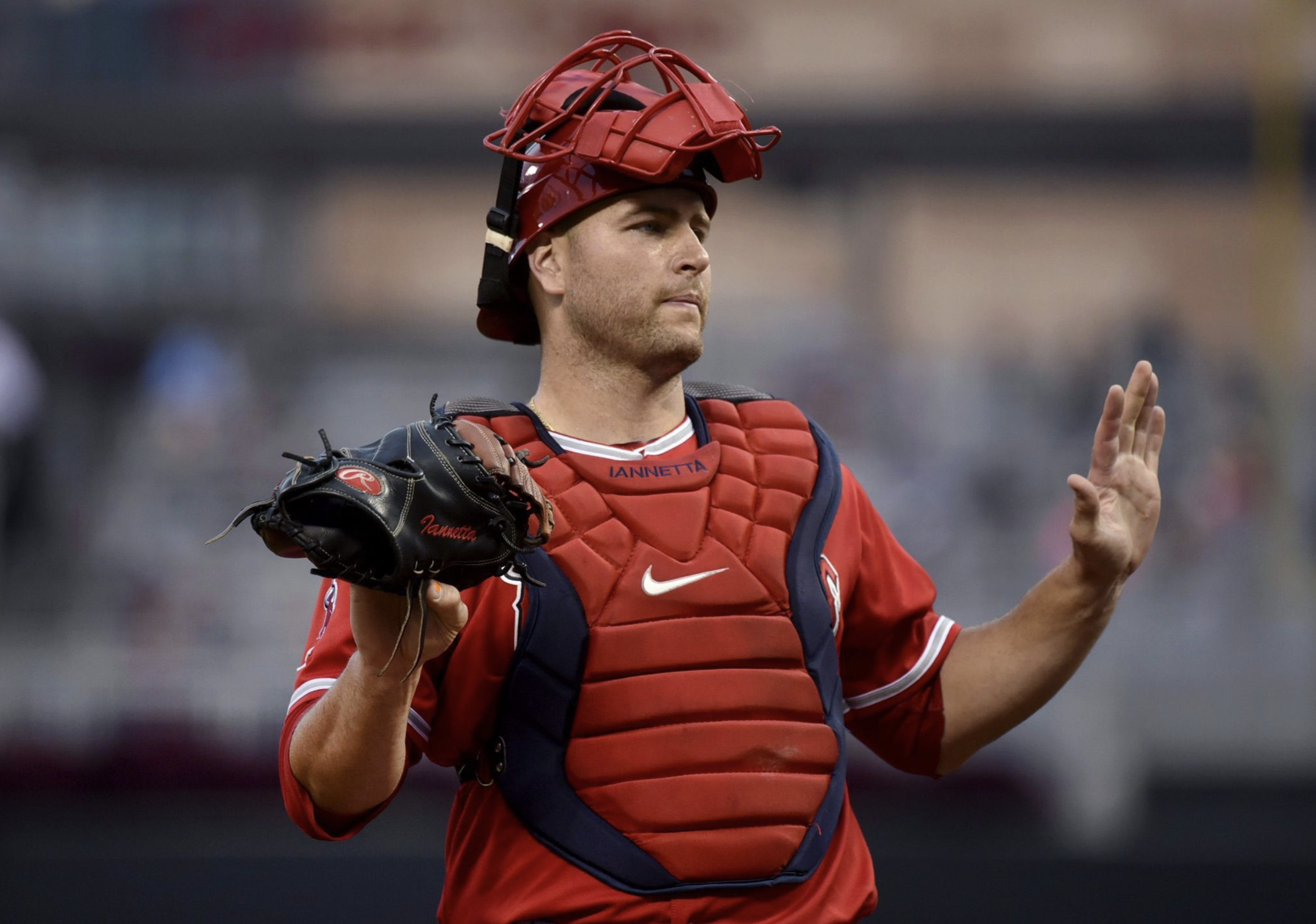
One thing I've always loved asking catchers is what they remember during a no-hitter. Fans usually remember the final out. Pitchers remember every pitch. Catchers seem to remember everything else—the quiet conversations that never happened, the songs playing between innings, the decision to stay away from the mound because everyone understood the moment without saying a word. Chris Iannetta reminded me that baseball has an entire language built on trust and instinct. A no-hitter isn't just one pitcher making history. It's an entire ballpark slowly realizing it's witnessing something that may never happen there again.
Chris, you've been retired for several years now. When you look back on a 14-year major league career, how special is it to know you caught a no-hitter?
It's something I'll never forget. Honestly, I never thought I'd even have the opportunity to play professional baseball, let alone spend fourteen years in the major leagues. To then become part of the small fraternity of catchers who have caught a no-hitter—that's something incredibly special. You're part of baseball history forever.
Jered Weaver's no-hitter in 2012 is one of those games baseball fans remember. As it unfolded inning by inning, what was the communication like between you and Jered?
It started like every other game. We had our normal conversations between innings and nothing really felt different. Around the fourth inning I happened to glance at the scoreboard and realized there still wasn't a hit. That's when it starts creeping into your mind.
From that point on, I wasn't going anywhere near him unless I absolutely had to. Jered was incredibly focused on start days anyway, and once something like that starts developing, everybody instinctively gives the pitcher space.
Ironically, while all of this was happening, I was dealing with my own problem. I'd been hit on the wrist earlier in the game and it was killing me. I kept talking with the trainer between innings because I thought something might actually be wrong. He just looked at me and said, "You're not coming out of this game." And I laughed because he was right.
One of the coolest details most people never knew involved Jered's between-inning music. He had different songs lined up for every inning. As the game went deeper, I started hearing songs I'd never heard before because he almost never pitched that deep into games. Every new song reminded me we were getting closer to something historic.
Fans always notice players avoiding a pitcher during a no-hitter. Is that really what happens?
Absolutely. Everybody stayed away. Jered was one of the most prepared pitchers I ever caught, and there was never any reason to interrupt what he was doing. If we needed to discuss something, we'd keep it brief. Otherwise, you let him stay in his routine.
As a catcher, how much responsibility do you feel once a no-hitter starts developing? You're calling every pitch, setting every target, managing the rhythm of the game.
You feel all of it.
The fortunate thing for me was I was catching Jered Weaver. He understood pitching as well as anyone I've ever been around. If I put down a pitch and he shook me off, I trusted him completely. There wasn't any chance I was going to insist on my idea if he felt differently. If the no-hitter ended, it wasn't going to end because I forced a pitch he didn't believe in.
My job became making sure nothing disrupted his rhythm. Block every pitch. Keep the tempo moving. Stay locked into every hitter. You're doing everything possible to give your pitcher the best opportunity to finish what he's started.
The final out looked dangerous off the bat. What was going through your mind?
Off the bat, it sounded great. The trajectory looked great. For a split second I thought, Oh no...
Then I watched Torii Hunter.
The funny thing is Torii almost played it like it was going off the wall before casually reaching back and making the catch. Once I realized he'd caught it, I threw my hands in the air, ran straight to the mound, hugged Jered, and just felt grateful. He's the one who threw the no-hitter, but being part of something like that is something I'll carry forever.
Pitchers always seem to thank their catchers after games like that. Do you appreciate how much trust exists between those two positions?
I think every catcher understands that relationship. Our entire job is to make the pitcher successful. You're wearing the gear, blocking balls, calling pitches, sacrificing your body every inning so your pitcher can be at his best. There's tremendous mutual respect between pitchers and catchers because each understands what the other is trying to accomplish.
Did you keep anything from that day?
Jered was unbelievably generous. He gave everyone on the field an engraved bottle of champagne commemorating the no-hitter. He gave me a signed canvas of the final out with a personal inscription, a signed scorecard, and even a watch. That's just the kind of teammate he was.
Looking back over your entire career, where does catching a no-hitter rank?
It's near the very top.
I've had playoff games, walk-off home runs, and some individual games I'm incredibly proud of, but catching a no-hitter belongs in that group. They're so incredibly rare. It doesn't matter if you're facing the best team in baseball or the worst. To no-hit a major league lineup is one of the hardest accomplishments in sports, and I'm thankful I got to be part of one.
NOTE: The above was edited for clarity and length.
You can read the full transcript here.