
Vince Cotroneo
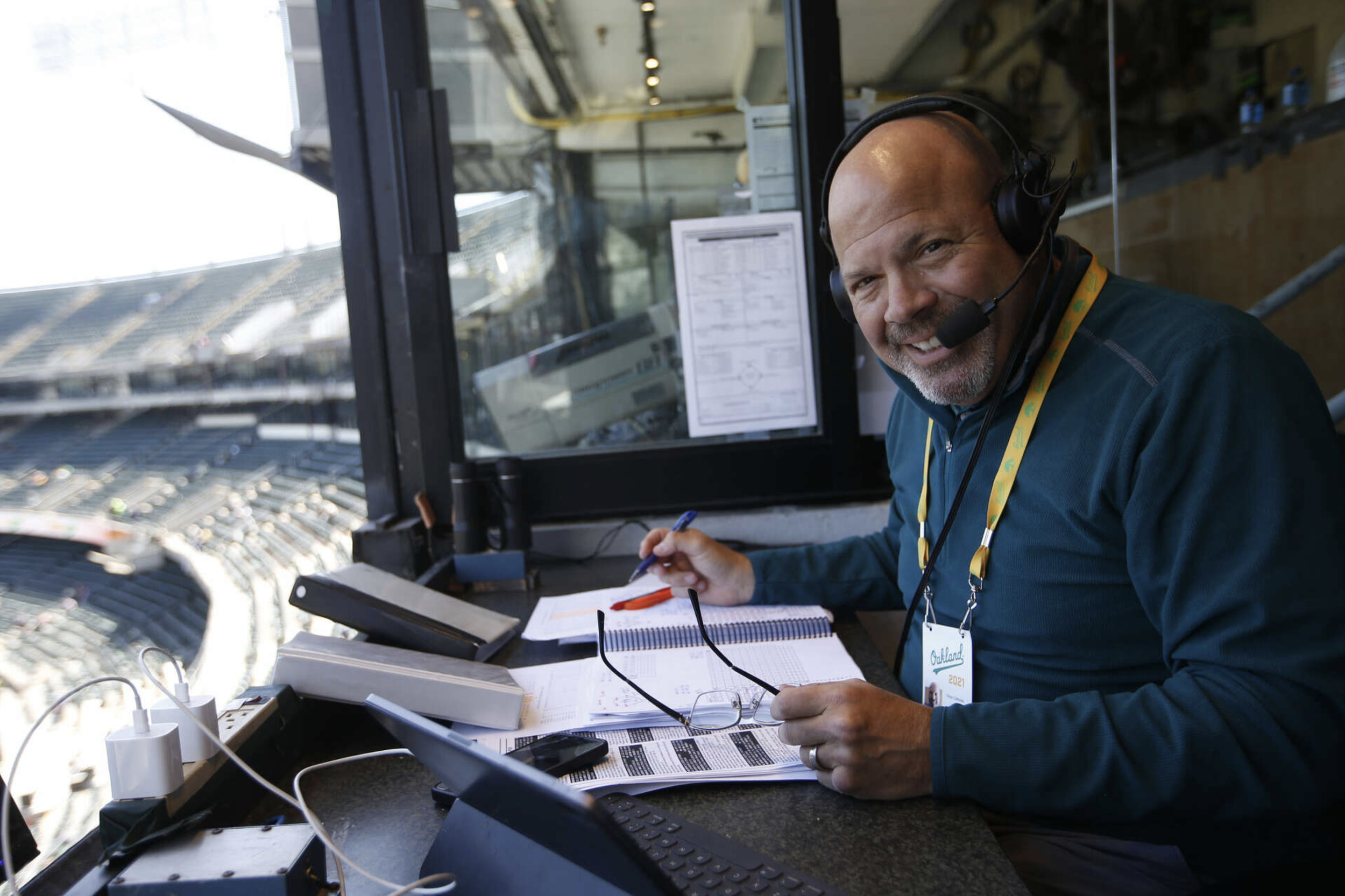
The older I get, the less interested I become in whether a ballpark has the newest scoreboard or the fanciest club level. I'm much more interested in something harder to measure: Why does this place matter? Why do grown men choke up when they talk about a press box? Why does an old elevator become part of someone's life story? Why do fans keep showing up for a team that keeps breaking their hearts? Those were the questions I wanted to ask Vince Cotroneo. His answers reminded me that great ballparks aren't built from steel and concrete. They're built from memories.
Vince Cotroneo, longtime voice of the Oakland A's. You're now amidst the final series in Oakland. The Coliseum is obviously a dump, but we love it. What are the emotions like as this chapter comes to an end?
There was frustration when it first became apparent this was going to happen. Then that frustration slowly became resignation. But for Oakland fans, these final games became something much deeper. They weren't simply attending another baseball game—they were reliving a lifetime of memories. People came back one last time because they had grown up there, brought their own children there, celebrated postseason runs there, and built their lives around that ballpark. The Coliseum has always been unlike any place in baseball. Players from Justin Verlander to members of the Yankees have talked about its uniqueness—not because of the concrete or the age of the building, but because of the horns, the drums, the flags, and the incredible passion of the fans. The players recognized that during the final week by wearing jerseys that read "Oakland" across the front. That gesture meant everything. There have been tears everywhere—from the clubhouse to the security staff who've spent forty years there—because every person carries different memories from that building.
You've been the voice of the franchise for nearly two decades. When you look toward right field and see those fans waving flags every night, what does that mean to you?
It's appreciation more than anything. Their lives revolve around A's baseball. They travel with the club, they know the broadcasters, they build relationships with opposing players, and players remember them years later. Mike Trout still talks about interacting with the left-field bleachers as a rookie. That's the Coliseum. It's a relationship unlike anywhere else. I didn't grow up in California, yet Oakland embraced me. They allowed me to become part of their traditions and memories, and that's beyond humbling.
What was it like sharing the booth with Ray Fosse?
Ray loved everything about the Athletics. Every player was worth believing in, every game mattered, and every big moment filled him with childlike joy. Sitting beside him during postseason games, hearing him pound the desk after a walk-off home run, watching him prepare with binders full of notes—it reminded you how much he loved baseball and how completely Oakland loved him in return.
What makes the Coliseum different from every other major league ballpark?
The foul territory changes baseball. Players hit pop-ups they assume will land in the seats, only to watch an infielder catch them. Gold Glovers lose routine fly balls in the bright Oakland sky. Third basemen become legends because of the amount of ground they have to cover. The ballpark takes away hits and creates unforgettable plays. It's always an adventure because something happens there that simply doesn't happen anywhere else. That's part of the Coliseum's charm.
Describe the walk into the ballpark.
Everything about it is different. You hope the ancient elevator works. You pass through cramped hallways, tiny clubhouses, and eventually emerge where fans and players practically share the same path to the field. Expensive-seat holders lean over the rail asking for autographs as players walk beside them. It's unlike Fenway or anywhere else, but over the years Oakland made it work, and somehow those odd little details became part of what people loved.
Are you taking anything with you?
Maybe a little dirt. I've never collected many things because my memories have always been enough. Nineteen years in Oakland gave me photographs, friendships, broadcasts, and a life. We raised our family here. My children became passionate A's fans. That passion mirrors what thousands of Oakland fans have always felt. They kept showing up, waving flags, banging drums, wearing green and gold no matter who was on the roster.
How would you describe the connection between this team and its fans?
Oakland has always felt blue-collar. Families pass the team from one generation to the next. Kids become parents who bring their own children to the Coliseum. Every fan has one player, one game, one memory that belongs only to them. Baseball memories stay forever. I still remember going to Shea Stadium as a teenager. Multiply that feeling across generations of Oakland families, and you understand why this goodbye hurts so much. More than anything, fans want the rest of the country to finally understand what it meant to be an Oakland Athletics fan.
How did you get through this final season?
Ken Korach and I simply trusted the game. Every day baseball gives you another story to tell. And for thousands of people, first pitch marks the best part of their day. They may not have much else going right, but for three hours they have their team, and we had the privilege of bringing that to them. That's an incredible responsibility.
As someone who became one of the voices of the franchise, what does Oakland mean to you?
When Bill King passed away, I knew I could never replace him. My very first broadcast began by telling listeners exactly that. I simply hoped they'd give me a chance. Nineteen years later, they've done much more than that. I wasn't born in Oakland, but somewhere along the way, Oakland made me one of its own. That's the greatest compliment I could ever receive.
NOTE: The above was edited for clarity and length.
You can read the full transcript here.